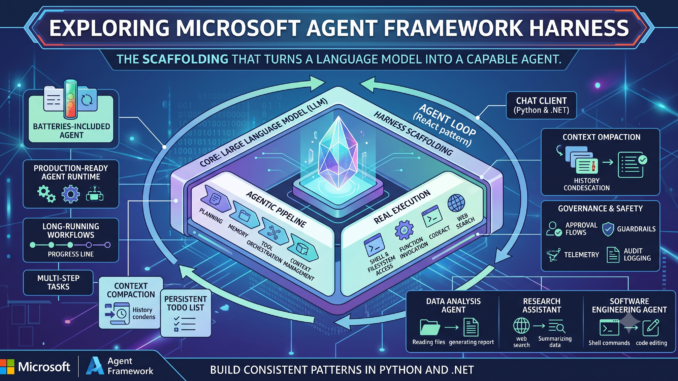
It’s been fun reflecting on where AI agent technology has gone over the past couple of years. Back in 2025, the tech world was obsessed with the sheer innovation of AI agents—programs that don’t just generate text, but actively plan, reason, execute, and use tools. Developers saw their entire workflow transform practically overnight with tools like Claude Code, Cursor, and Google Antigravity. It really makes you wonder: how do you build something that impactful?
Lately, I’ve been falling down YouTube rabbit holes exploring the inner mechanics of open-source harness tools like OpenClaw and Hermes. Managing an agent harness turns out to be a massive balancing act. As a user, you need privacy controls and human-in-the-loop triggers for sensitive actions. In enterprise environments, you need connections to Slack or Microsoft Teams, plus tight integration with local files and context. To do real “deep work,” a framework needs to break down tasks, execute them safely, and actually know when a job meets its acceptance criteria.
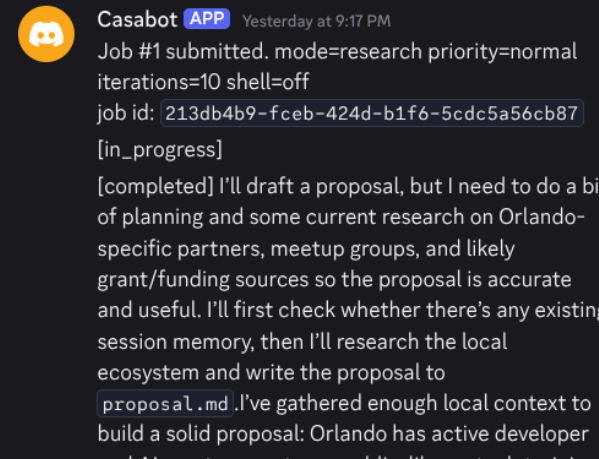
To test these concepts out, I’ve spent the past few weeks building my own personal harness using the Microsoft Agent Framework, aiming to connect it to my personal Discord server. The framework is still iterating, but its clean, concise developer experience has been a breath of fresh air.
As a brief update today, I’ve been able to integrate my agent harness into my notes/task tracking application. I connected the harness by building a collection of tools that can make API calls against my notes server API. Small, but fun win for the day!
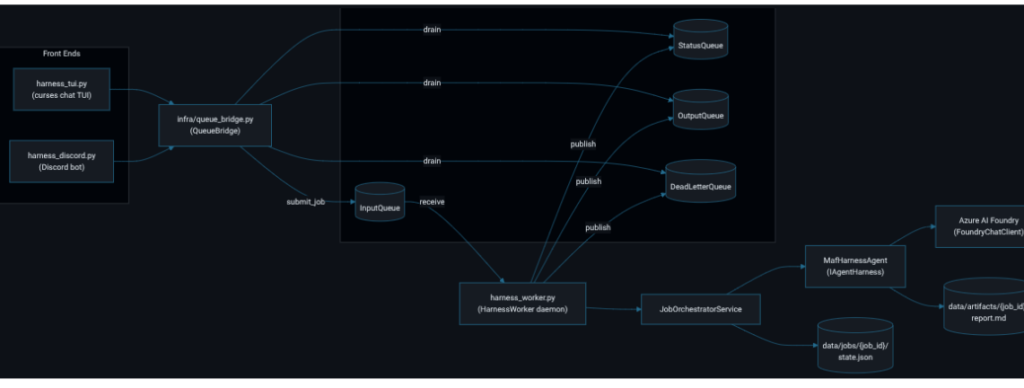
High Level Solution Architecture
Resources To Get Started with Microsoft Agent Framework
- The Microsoft Agent Framework Harness is now released
- MAF Harness Demo Code – Microsoft code samples to motivate your agent building
Leave a Reply